Get Livestock Fencing Installation
Local contractors offer livestock fencing installation to secure animals, define property boundaries, and support various agricultural or ranching projects.
Livestock fencing installation is a key consideration for property owners looking to secure their land, manage grazing areas, or prevent animals from wandering off. If you are exploring options for fencing solutions, you are in the right place to find local contractors who specialize in this work. Planning a fencing project involves understanding different materials, styles, and installation techniques to best suit your property’s needs, making it important to compare local options carefully.
Connecting with experienced service providers in your area can help ensure the fencing is durable, functional, and tailored to your specific requirements. Whether for agricultural purposes, property boundaries, or keeping animals safe, there are local contractors ready to assist with planning and installation. Keep reading to discover how to find the right professionals to support your project.
- Farm perimeter fencing - needed when securing large agricultural properties to contain livestock and prevent trespassing.
- Pasture boundary fencing - required for defining grazing areas and managing livestock movement effectively.
- Erosion control fencing - used in areas prone to soil erosion to protect land and livestock.
- Temporary fencing for livestock - necessary during events, construction, or land improvements to contain animals securely.
- Corrals and holding pens - essential for safely managing and sorting livestock during various farm activities.
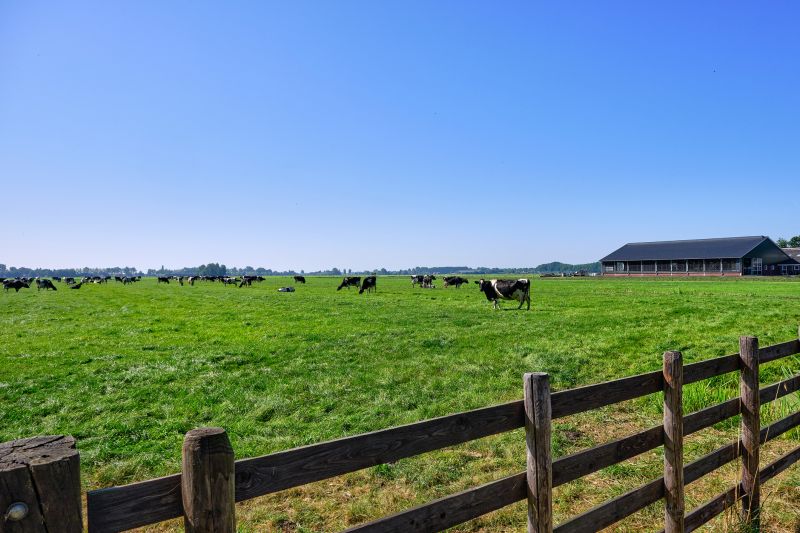
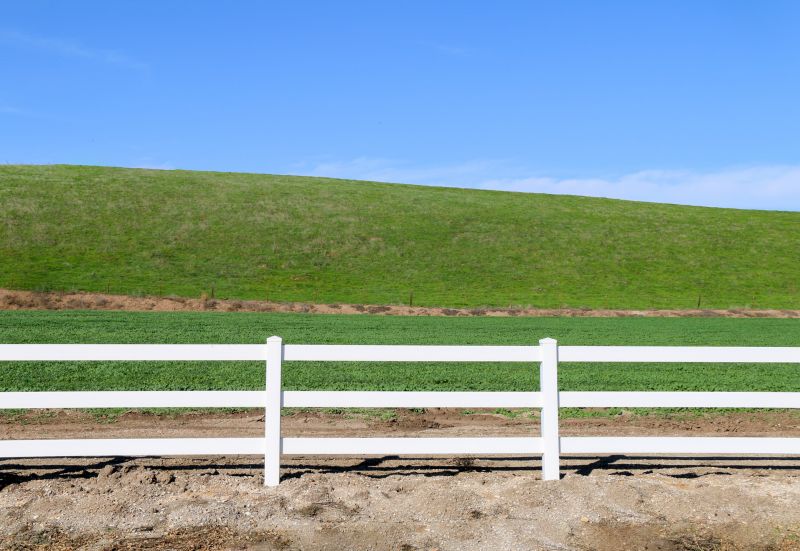
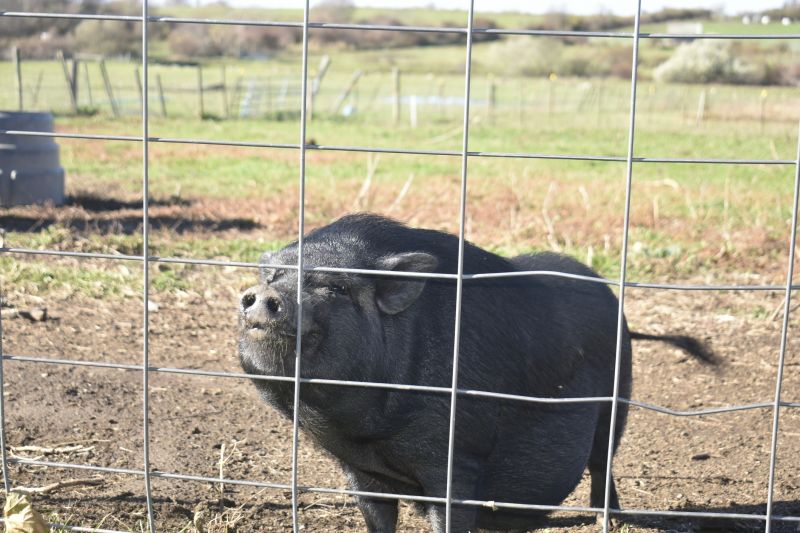
Livestock fencing installation involves setting up durable barriers designed to contain animals and protect property boundaries. These fences are typically constructed using materials like wood, wire, or vinyl, tailored to meet the specific needs of livestock such as cattle, horses, sheep, or goats. The process includes planning the layout, selecting appropriate fencing materials, and installing posts and fencing panels to ensure a secure and reliable enclosure. Properly installed livestock fences help prevent animals from wandering off and keep unwanted visitors or predators from entering the property.
This service addresses common problems faced by property owners with livestock or agricultural operations. Without effective fencing, animals may escape, leading to potential safety hazards, lost livestock, or damage to surrounding areas. Fences also help manage grazing patterns, protect gardens or landscaping from being trampled, and establish clear property boundaries. Additionally, livestock fencing can reduce the need for constant supervision, saving time and effort while maintaining a safe environment for animals and residents alike.
Properties that typically utilize livestock fencing services include farms, ranches, equestrian facilities, and rural homesteads. These properties often have large outdoor spaces where animals need to be contained securely. Even smaller properties with backyard farms or hobby farms may require fencing to keep animals safe and to define property lines clearly. The fencing solutions can be customized to suit various property sizes and types of livestock, ensuring that the barriers are both functional and durable over time.
Homeowners and property managers considering livestock fencing installation should look for local contractors experienced in agricultural or rural fencing projects. These service providers can assess the specific needs of the property, recommend suitable fencing materials, and handle the installation efficiently. Whether for new construction or upgrading existing fences, connecting with local pros ensures the work is tailored to the property’s requirements and provides a reliable solution to livestock containment challenges.
The overview below groups typical Livestock Fencing Installation projects into broad ranges so you can see how smaller, mid-sized, and larger jobs often compare in your area.
In many markets, a large share of routine jobs stays in the lower and middle ranges, while only a smaller percentage of projects moves into the highest bands when the work is more complex or site conditions are harder than average.
Smaller Repairs - Typical costs for minor fencing repairs or adjustments generally range from $250 to $600. Many routine jobs fall within this middle range, depending on the extent of the work needed.
Standard Fence Installation - Installing a new livestock fence usually costs between $1,200 and $3,500 for most projects. Local contractors often complete these jobs within this range, with larger properties pushing costs higher.
Full Fence Replacement - Replacing an entire fence can range from $4,000 to $8,000 or more, especially for larger or more complex installations. Fewer projects reach the highest tiers, which typically involve extensive materials and labor.
High-End Custom Projects - Custom or specialty fencing projects can exceed $10,000, depending on design, materials, and site complexity. These are less common but represent the upper end of typical fencing costs.
Actual totals will depend on details like access to the work area, the scope of the project, and the materials selected, so use these as general starting points rather than exact figures.
Fence Repair and Replacement - Local contractors who install livestock fencing often handle repair and replacement projects to maintain or upgrade existing fencing structures.
Farm Gate Installation - Installing durable farm gates requires similar planning, tools, and skills used in livestock fencing to ensure secure access points.
Animal Enclosure Construction - Building animal pens or enclosures involves fencing techniques comparable to those used in livestock fencing installation.
Field and Pasture Clearing - Clearing and preparing land for fencing projects involves land assessment and site preparation skills common to fencing services.
Barbed Wire and Wire Mesh Fencing - Installing various wire fencing types for security or containment shares techniques with livestock fencing installation.
Property Boundary Fencing - Defining property lines with fencing involves planning and installation skills similar to those used in livestock fencing projects.
When comparing livestock fencing installation services, it’s important to evaluate the experience of local contractors with similar projects. Homeowners should inquire about how long a service provider has been working on fencing for agricultural or livestock purposes and whether they have completed projects comparable in size and scope. An experienced contractor is more likely to understand the specific requirements for durable, effective fencing that meets the needs of livestock containment, ensuring the installation is both functional and long-lasting.
Clear, written expectations are essential to avoid misunderstandings and ensure the project aligns with your goals. Homeowners should seek out providers who can offer detailed descriptions of their services, including the materials used, the scope of work, and the estimated process. Having this information in writing helps establish a shared understanding of the project’s parameters and provides a reference point throughout the work, contributing to a smoother experience and reducing the risk of surprises.
Reputable references and good communication are key indicators of a trustworthy service provider. Homeowners are encouraged to ask for references or examples of previous projects similar to their own, as well as to assess how promptly and clearly the contractor communicates during initial contacts. A responsive and transparent contractor who values open dialogue is more likely to deliver a positive experience and ensure the project proceeds smoothly. Remember, this site introduces homeowners to local options, connecting them with qualified service providers, not performing the work itself.
Property owners use Livestock Fencing Installation services for practical projects around their homes and businesses. This guide focuses on everyday jobs and straightforward project options.
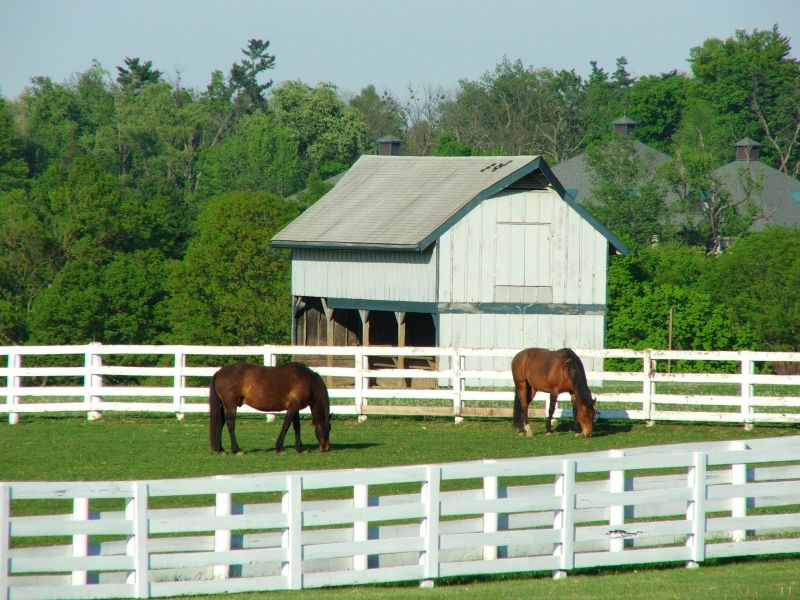
Livestock fencing installation is a common project for property owners who need to contain animals or define boundaries on their land. Whether setting up a new fence to keep livestock secure or replacing an aging structure, local contractors can provide solutions that suit the specific needs of rural farms, ranches, or rural properties. These projects often arise from the need to prevent animals from wandering off, protect crops, or establish clear property lines, making fencing a practical and necessary upgrade for many landowners.
Property owners in the area may also seek fencing services to improve security or enhance privacy. A sturdy fence can deter trespassers and keep unwanted visitors out, especially in more open or rural settings. Local service providers are equipped to handle a variety of fencing materials and styles, helping landowners achieve their goals for safety, functionality, or aesthetic appeal. Connecting with experienced contractors ensures that the project is completed efficiently and to the specific requirements of each property.
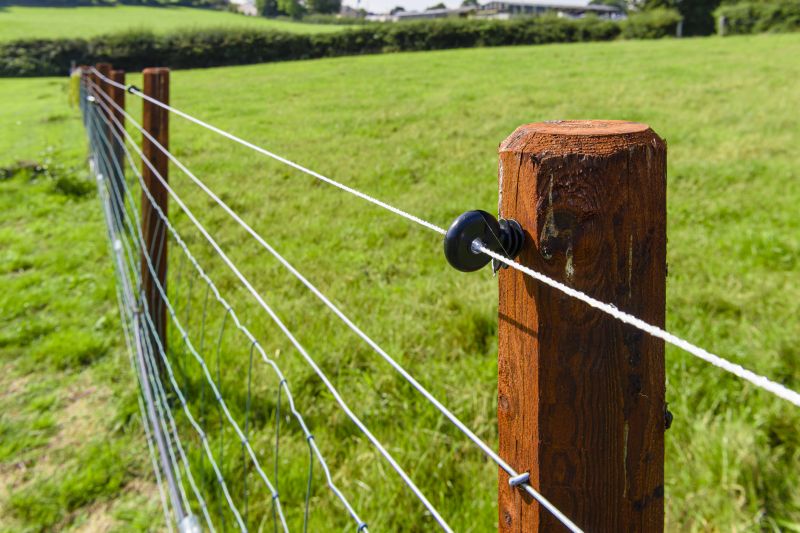
What types of livestock fencing can local contractors install? Local service providers can install various fencing types such as wire, wood, vinyl, and electric fences, tailored to different livestock needs.
How do local contractors determine the best fencing options for my livestock? They assess factors like livestock type, property layout, and environmental conditions to recommend suitable fencing solutions.
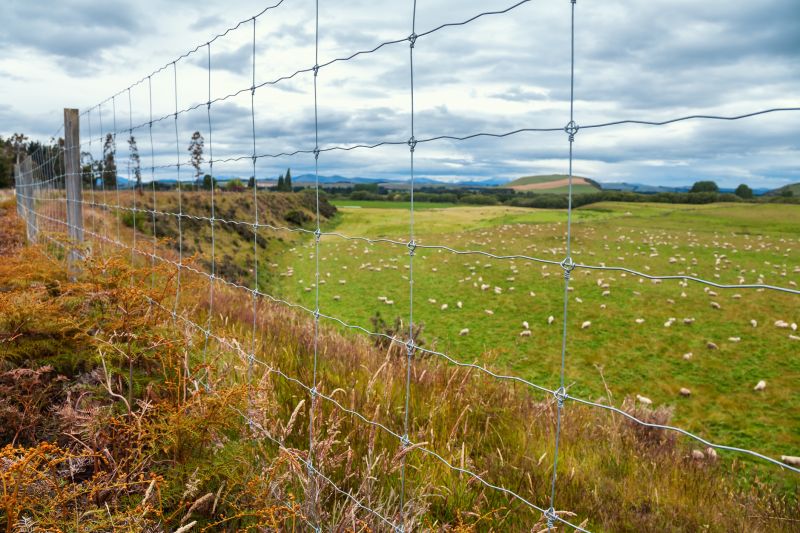
Are there different fencing materials recommended for specific types of livestock? Yes, certain materials are better suited for different animals; for example, electric fencing is often used for cattle, while woven wire may be preferred for sheep.
What maintenance is typically required for livestock fencing installed by local service providers? Maintenance can include regular inspections, repairs of damaged sections, and ensuring gates and hardware function properly.
Can local contractors help with customizing livestock fencing to fit unique property layouts? Yes, they can design and install customized fencing solutions to accommodate specific property features and livestock management needs.
Farm Enclosures - Secure livestock in designated areas to prevent animals from wandering off the property.
Garden Boundaries - Define garden spaces to keep animals out and protect planting areas.
Pasture Divisions - Separate different grazing sections to manage livestock movement effectively.
Property Perimeters - Establish clear boundaries around the property for security and privacy purposes.
If you are thinking about Livestock Fencing Installation for a property, this guide is meant to help you understand the work, the typical project types, and how different options might fit your plans.
When you are ready, you can use the quote form on this page to share a few details about your project. From there, local pros can review the basics and respond with options that match what you have in mind.